
I’ve been a Designer for 16 years, over that time I’ve learned a lot, I’ve experienced working with managers and leaders – and let me tell you, there is absolutely a difference! I believe creating connections with others, promoting the value of design, and creating a culture of safety are essential aspects of being a successful design leader. I’m continuously learning from my experiences with designers, being in design and product teams and growing personally as a person and leader.
During my career, I’ve had the privilege of mentoring designers from various locations, including internationally in India, and designers across Australia. These experiences have taught me a lot about collaboration, goal-setting, skill development, best practices, and stakeholder management.
I genuinely believe that we can all learn from each other’s perspectives and experiences, so if you’re interested in discussing design or seeking mentorship, don’t hesitate to reach out!
Creating a Culture of Psychological Safety
I believe of the most critical aspects of being a design leader is to value psychological safety. Google’s Project Aristotle, revealed that psychological safety is the key to team productivity. Design leaders’ role is to model good behaviour, create an environment where everyone’s voice is equal, and make sure team members feel comfortable admitting mistakes, asking questions, or offering new ideas without fear of embarrassment or punishment.
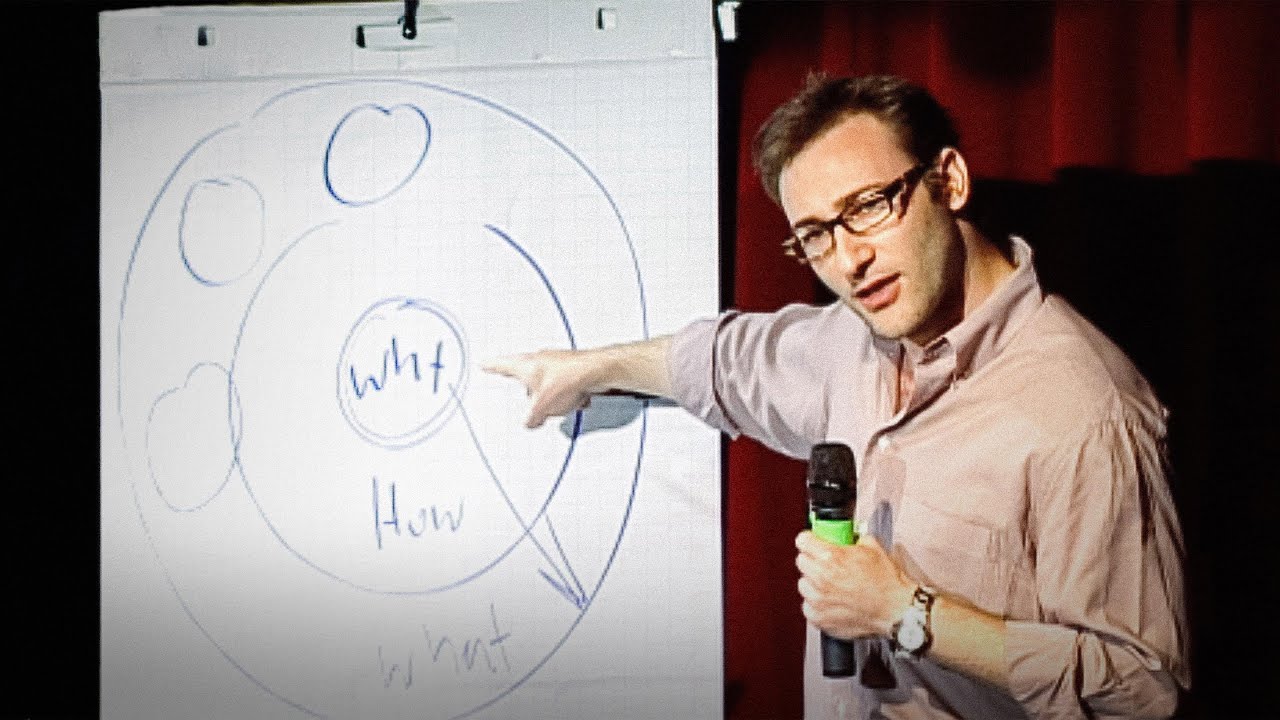
"People don’t buy what you do; they buy why you do it."
Simon Sinek’s quote captures the essence of his Golden Circle concept, which emphasises understanding and communicating the ‘why’ behind our actions as leaders. By embracing this mindset, I aim to inspire others and help them find purpose in their work.
Bridging the Gap Between Design and Business
To lead a design team effectively, I’ve learned that I need to communicate the value of design to the wider business. By translating the benefits of design into business terms, I can create partnerships and bridge the gap between design and other departments. My goal is to build a collaborative and mutually supportive work culture, rather than an “us and them” mentality.
Key points to communicate the value of design:
- Show the impact of design on user experience and customer satisfaction.
- Demonstrate how design can lead to increased revenue and reduced costs.
- Highlight the importance of design in differentiating products and services.
Nurturing Growth and Development
When I have 1:1s with my team members, I’m not just interested in project updates. I want to understand how I can help each team member grow as a designer and progress in their career. Providing actionable feedback and genuinely investing in their development helps build trust and foster growth.
The Power of Design Systems and Design Ops
I’ve also come to appreciate the importance of design systems and design ops in design leadership. A well-designed and maintained design system can significantly boost productivity, while the growth of design ops helps remove non-design barriers, allowing designers to focus on creativity and innovation.
Connecting on an Emotional Level
As a mentor, I’ve learned that emotional connections and empathy play a significant role in guiding others. I strive to create a safe space where designers can share their thoughts, feelings, and aspirations. Thought leadership is crucial in driving the design community forward, and I continuously learn from others and share my insights to contribute to this collective progress.
"Simplicity is about subtracting the obvious, and adding the meaningful."
John Maeda’s quote reminds me to apply the principle of simplicity to both my design work and my approach to leadership, focusing on what truly matters and eliminating unnecessary distractions.
Reflections on My Journey
Looking back on my journey in design leadership and mentorship, I’ve come to understand the value of emotional connections, collaboration, and empowerment in shaping the future of design. By fostering a culture of psychological safety, promoting the value of design, and prioritising personal growth and support, I aim to contribute to the ongoing development of the design community and help fellow designers reach their full potential.
The Road Ahead
In conclusion, my journey in design leadership and mentorship has been an incredibly rewarding and transformative experience. It has allowed me to connect with a diverse group of designers, contribute to the growth and development of the design community, and continuously learn from others while sharing my own insights.
One last piece of advice I’d like to share: never stop learning, and never stop growing. The design industry is continuously evolving, and to stay ahead, we need to be open to change and adapt to new challenges. Embrace curiosity, ask questions, and listen to others. It’s in these moments of openness that we find the most significant opportunities for growth and innovation.
So, let’s keep the conversation going. If you have any thoughts or experiences you’d like to share, feel free to reach out – I’d love to learn from your perspective. By learning from one another, we can continue to push the boundaries of design and design culture.
Image in Header: Shot at the Noosa River Mouth, Australia – by me.